———————(approach.1)
This is the part where the artist dares to lift the pen.
(The point at which your world and ours collide)
See. (Try to)
witness.
——–
——-
——-
THE GOAL:
Orientation & syncronicity *(& layers) become key.
Studio Weiss follows the typical 5 step “see-it-to-believe-it” process!
As designers deeply rooted in local inspiration and attainable traditions, our designs seamlessly blend the essence of our surroundings with innovative visions for the next generation. With a commitment to quality, we ensure that every project reflects our dedication to using the finest materials and integrating cutting-edge technology at every possible juncture. Frank Lloyd Wright split his time between his ‘labratorys’ of Taliesin East & West: in the Same Spirit, we at Studio Weiss look forward to the day when we can take our talents as a ‘central showpiece’ back to our native lands, giving back to our homesteads to both inspire the next generation, as well as
Our creations not only stand as testaments to our craft, but also contribute to the evolving tapestry of architectural excellence.
contact: maweisg@gmail.com
CLICK ME TO DOWNLOAD THE PORTFOLIO COLLECTUS:
——–
——–
——–
——–
——–
——–
THE (current) PROCESS:
Orientation & syncronicity *(& layers) become key.
(A few ways to help orient/ensure an address, on a first approach to a home: what IS the first thing people need to see, when nearing a contemporary house/home??)
——–
——–So
——–Some Options
- Living Wall Address: Some houses incorporate living walls into their address signage. This involves using plants or moss to display the house number.
- Custom Metalwork: Metal address signs with intricate designs or cutouts can add a touch of elegance. These can be made from materials like steel, brass, or copper.
- Stained Glass: Houses with a more artistic flair might use stained glass to display their address, adding a colorful and unique touch.
- Floating Numbers: Address numbers can be designed to appear as if they are floating in the air, creating a modern and eye-catching effect.
- Mosaic Tiles: Using mosaic tiles to create the house number is another creative option. Each tile can be a different color or pattern.
- Repurposed Materials: Some homeowners use repurposed materials like old license plates, reclaimed wood, or vintage signs to craft their address signs.
- Illuminated Address Signs: Incorporating LED lights into the address sign can make it visible at night and give it a futuristic feel.
- Rock Art: Houses in natural settings sometimes use rocks or stones to display their address, creating a harmonious look with the environment.
- Sculptural Address Signs: Some houses commission sculptures that double as address signs, making a bold and artistic statement.
- Interactive or Kinetic Signs: Some address signs are designed to move or change, such as rotating panels or wind-driven kinetic signs
——–Some
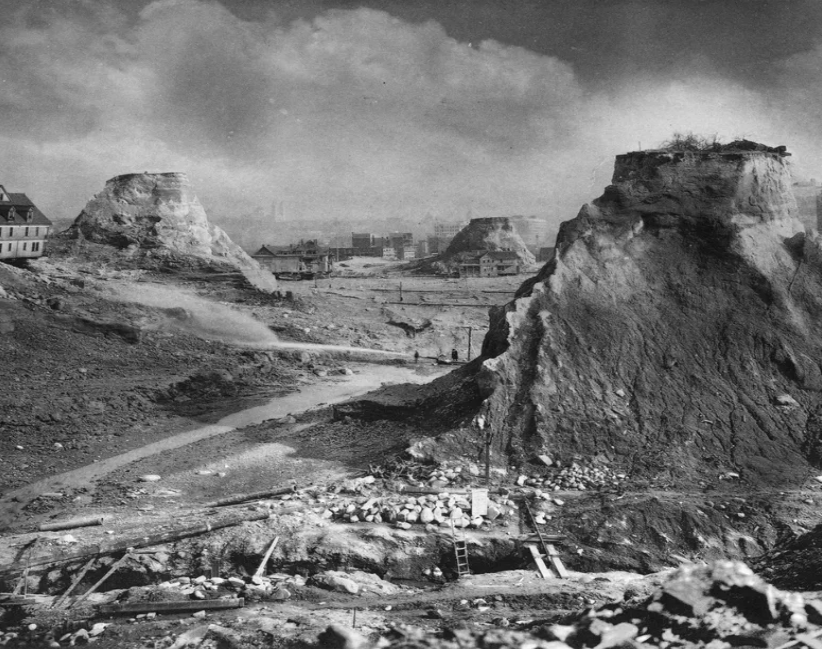
How do we near a place? (What’s its view, its impact??)
Giveback (Stewardship):
archibow@studioweiss.com
——–
Background:
As Andrew Carnagie said it best in the early 20th Century: “the first third of your life should be spent gaining as much knowledge as possible; the second third testing that; and the last portion (the most critical): giving all that knowledge you learned, back to the community you came from..” -Andy C.
With a career spanning decades, Bow’s creations are a mesmerizing dance between structures and styles, each approach an embodiment of reinvention. From the whimsical. Hailing from the boarder boundary between Brixton & Stockwell, Bow’s approach is a seminal influence, to both the studio and the world at large, bringing a unmatched bright musical input, depth and theory.
Bow’s portfolio is a testament to his fearless exploration of the boundaries of form and function.
Bow’s accomplishments are as diverse as Bowie’s music, ranging from urban masterplans that breathe life into forgotten city corners to futuristic eco-pods that redefine sustainable living. His architectural chameleon-like ab
Studio Weiss follows the typical 5 step/stage xxx process.
THE real GOAL:
All we want, is for you to look back over your shoulder when you leave (each and every time), for just one last glance, and give a..
——–
——–
——–
——–
——–
——–
————————————————————————
Reference Literature (about Approaches):
-Learning from Las Vegas (Denise Scott Brown/Robert Venturi, 1972)
-The Language of Post-Modernism Architecture (Charles Jencks)
-A Pattern Language (Christopher Alexander)
-Architecture and Space: How to Look at Architecture (Bruno Zevi)
-The Architectural Uncanny: Essays in the Modern Unhomely (Anthony Vidler)
-The Architecture of Light: A Textbook of Procedures and Practices for the Designer (Sage Russell)
s Andrew Carnagie said it best in the early 20th Century: “the first third of your life should be spent gaining as much knowledge as possible; the second third testing that; and the last portion (the most critical): giving all that knowledge you learned, back to the community you came from..” -Andy C.
——–
——–
——–
Reference Projects (about/with worthwhile considered approaches):
–Casa Malaparte (Adalberto Libera, 19xx: Capri, Italy)
–Chatsworth House (xxx, 17xx: Derbyshire, UK)
–Fallingwater (FLW, 1938: Bear Run)
——–